
News about certain ingredients in antiperspirants may alarm you. Learn more about the ingredients in aluminum and if antiperspirant is safe or bad for you.
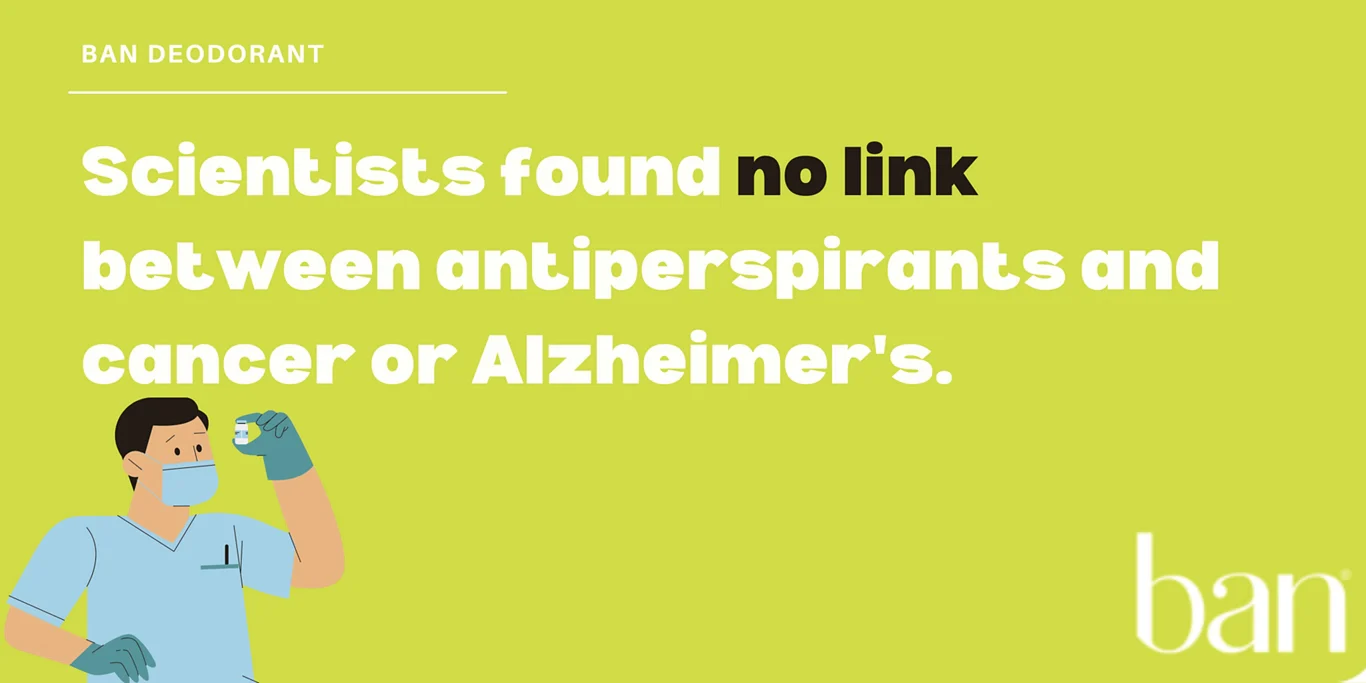
Knowing what goes on and into your body matters. In recent years, rumors have circulated that antiperspirant and deodorant containing aluminum may increase the risk of breast cancer and Alzheimer's. Fortunately, scientists studying these theories have not found a statistically significant connection between antiperspirant use and either disease. Antiperspirant is safe when used as directed.
How Sweat Glands Work
Before we get into the nitty-gritty of antiperspirant, you should understand the differences between the two types of sweat glands in your body: eccrine glands and apocrine glands.
Eccrine glands are found on nearly all surfaces of the body, including the forehead, soles of the feet, and palms. They open directly into the skin and primarily regulate body temperature through sweat.
Apocrine glands open into hair follicles and are concentrated in areas where the body produces hair, including the scalp, groin, and armpits. These are the glands most relevant to body odor and antiperspirant use.
Antiperspirant Vs. Deodorant: What's The Difference?
Deodorant, antiperspirant, tomato, tomat-o, right? Not necessarily. Deodorant, as its name implies, prevents body odor. Despite popular belief, sweat doesn't smell. Rather, body odor occurs when your sweat mingles with the microorganisms on your skin.
Deodorant inhibits bacterial growth on the skin, which prevents body odor. Sweat itself doesn't smell. Body odor occurs when sweat mixes with microorganisms on the skin's surface.
Antiperspirant is where sweat reduction comes in. Antiperspirants reduce sweating by temporarily plugging sweat glands. Because antiperspirants interfere with a natural biological process, the FDA classifies them as a "drug." This classification, along with the active ingredient aluminum, leads many consumers to question whether antiperspirant is safe.
Shop Solid Deodorant and Antiperspirant
Shop Roll-On Deodorant and Antiperspirant
Why Is Aluminum In Antiperspirant?
Aluminum is the main active ingredient in antiperspirants. When aluminum salt combines with water in your sweat, it triggers a chemical reaction, the result of which is a gel-like plug that blocks your apocrine glands and prevents sweat from reaching the skin's surface.
Though there are several natural ingredients that claim to achieve the same effect, aluminum is the only ingredient that the FDA recognizes as an antiperspirant.
Breast Cancer And Alzheimer's: Is Aluminum To Blame?
Various studies have hypothesized that aluminum-based antiperspirants increase one's risk of breast cancer. The rationale behind this hypothesis is that most breast tumors first develop in the upper, outer regions of the breast—or the parts of the breast nearest the armpit where one would apply antiperspirant. These studies imply that the skin absorbs these chemicals, which then interfere with estrogen and/or lead to cancerous changes in breast cells.
Through extensive research, scientific experts reassure consumers that these claims don't hold up. Scientists researching the use of aluminum in antiperspirant and deodorant have not found clear evidence that suggests that the use of these products increases one's risk for cancer.
Origins Of The Aluminum Myth
Older studies linked aluminum to an increased risk for Alzheimer's disease. This was due to the fact that several analyses revealed high levels of aluminum in the brains of individuals suffering from Alzheimer’s. As a result, the safety of everything from aluminum cans to aluminum foil was called into question. However, with further research, scientists ruled out aluminum as a possible contributing factor to Alzheimer's after they were unable to find a statistically significant connection.
Do Antiperspirants Cause Any Damage?
Sensitive skin: Antiperspirants can cause irritation or rashes in some individuals. These side effects typically resolve after stopping use. For people with reactive skin, understanding your skin's triggers can help identify whether antiperspirant is a contributing factor.
Microbiome: Prolonged antiperspirant use reduces microbial growth on the skin in the applied area.
Clothing: When aluminum bonds with sweat, the acidic properties can leave unsightly stains on fabric underarms. Apply as directed and allow to dry fully before dressing to avoid this.
Should You Worry About Antiperspirant?
No. There is no scientific evidence that aluminum or antiperspirant products lead to cancer or Alzheimer’s. Using them does not harm your body in any way. When using antiperspirant products, make sure to read the instructions on the product and avoid applying antiperspirant to parts of your body with mucous membranes like your mouth, eyes, and genitals.
FAQs
Does aluminum in antiperspirant get absorbed into the bloodstream?
Studies show that only a very small amount of aluminum penetrates the skin, and the body excretes it through urine. The levels absorbed from antiperspirant use are well below what is considered harmful.
Are natural deodorants as effective as antiperspirants?
Natural deodorants can reduce odor by targeting bacteria, but they do not block sweat glands. For people who need sweat reduction rather than just odor control, natural deodorants are not a functional substitute for antiperspirant.
Can antiperspirant cause skin darkening in the underarm area?
Skin darkening in the underarm can result from friction, shaving, or product buildup rather than antiperspirant itself. Switching to a gentler formula and keeping the area clean can help reduce discoloration over time.
Is there a difference between antiperspirant safety for men and women?
No meaningful difference exists in how aluminum-based antiperspirants affect male or female biology. The breast cancer hypothesis has been studied specifically in women given tumor proximity to the armpit, but research has not supported a causal link for either sex.
Are there any groups who should avoid antiperspirant?
People with kidney disease should consult a doctor before using aluminum-containing antiperspirants, as impaired kidney function can reduce the body's ability to excrete aluminum. Individuals with known skin sensitivities should choose fragrance-free, minimal-ingredient formulas and monitor for reactions.


