

Smelling and feeling fresh and dry throughout the day is a challenge if you don’t have the right tools in your personal care supply. An afternoon in the hot sun, a killer spin class or even just a normal day’s activities can leave you feeling funky and smelling stinky. Antiperspirant prevents sweat at the source. Here's everything you need to know about how it works, why it differs from deodorant, and whether it's safe.
What Is Antiperspirant?
Antiperspirants are an effective topical tool used to prevent body odor and sweating. They can come in the form of stick, roll-on or spray products. Antiperspirants reduce perspiration using aluminum compounds such as aluminum chloride or aluminum chlorohydrate. They address both sweat and the body odor that accompanies it.
Deodorant Vs. Antiperspirant
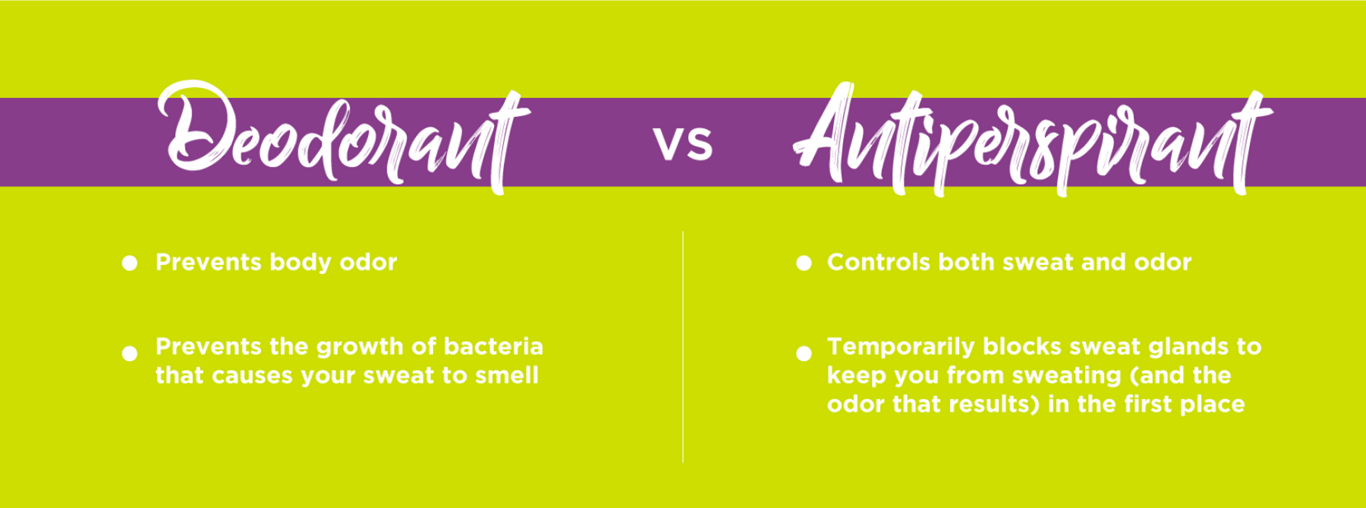
Deodorant is often incorrectly used as a catch-all phrase for any kind of body odor-eliminating aid when there are really significant differences between deodorant and antiperspirant. While both products can help reduce unfortunate odors resulting from sweat, the ways in which they do so differ.
Most people believe that sweat itself smells bad, but that isn’t the case. Sweat has no scent naturally. It’s only when bacteria on your skin begins to break down the proteins found in sweat, that sweat seems to emit its distinctive - and unpleasant smell.
Deodorant helps fight foul odors by preventing bacteria from doing its dirty work on your skin and allowing you to skip the stink.
Antiperspirant uses aluminum to control sweat production directly. Applied to the skin, it temporarily blocks sweat glands, reducing the amount of sweat that reaches the surface and preventing the odor that comes with it.
Deodorant And Antiperspirant Both Help To Eliminate Odor, But Antiperspirant Also Stops The Sweating At Its Source.
Shop Solid Deodorant and Antiperspirant
How Does Antiperspirant Work?
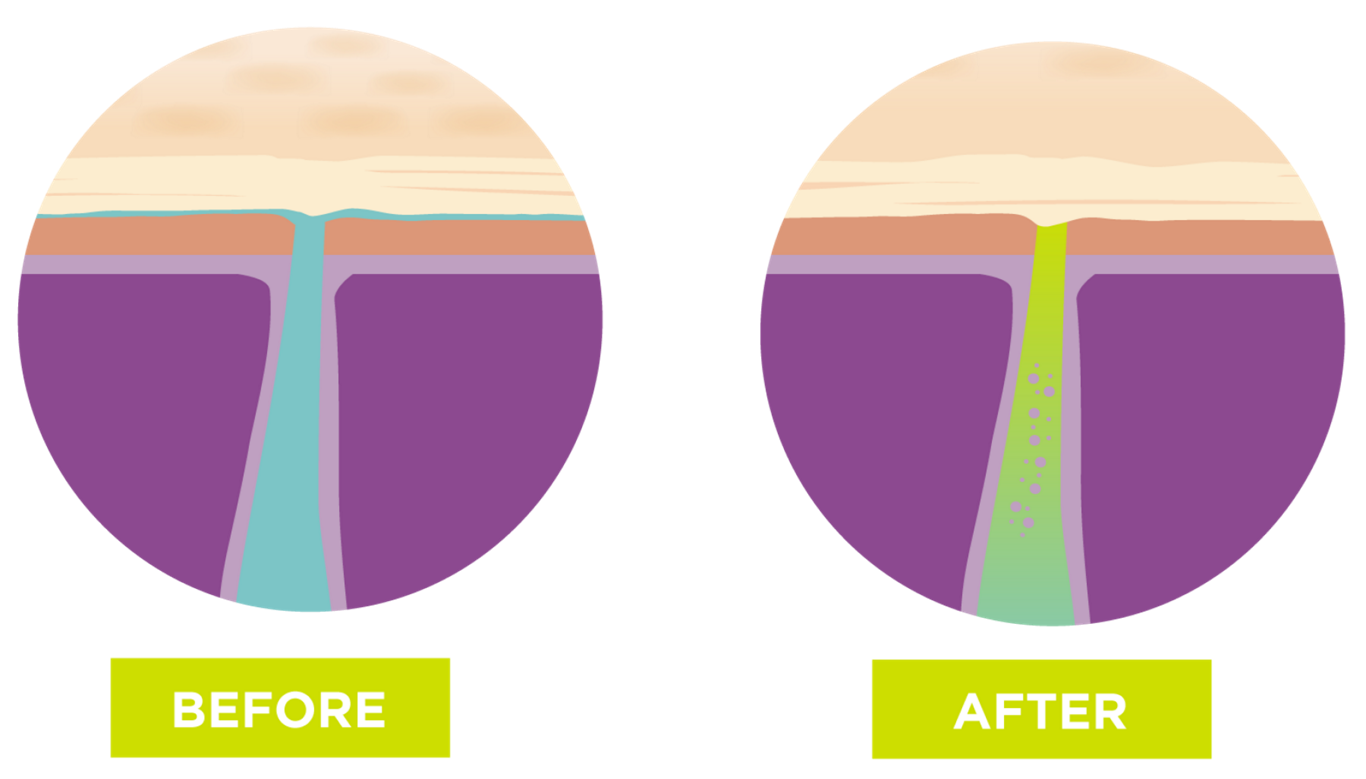
The aluminum compounds in antiperspirant dissolve into the moisture on your underarms when applied. The aluminum is absorbed into your eccrine and apocrine sweat glands, where it lines the ducts and temporarily restricts sweat from reaching the surface.
Over time, moisture inside and outside the glands equalizes, allowing them to release sweat again. This is why antiperspirant works for a set duration before needing reapplication.
How To Use Antiperspirant
Using antiperspirant is straightforward. Follow these steps:
Apply to clean, dry underarms
Swipe onto your skin using 2-3 upward and downward sweeps
Tips for better results:
Apply antiperspirant before bed and after showering. Sweat gland activity is lower overnight, which allows better absorption and improved sweat prevention.
Antiperspirant is not limited to the underarms. It can also be effective on other areas prone to sweating, including the groin, soles of the feet, and palms.
Is Antiperspirant Bad For You?
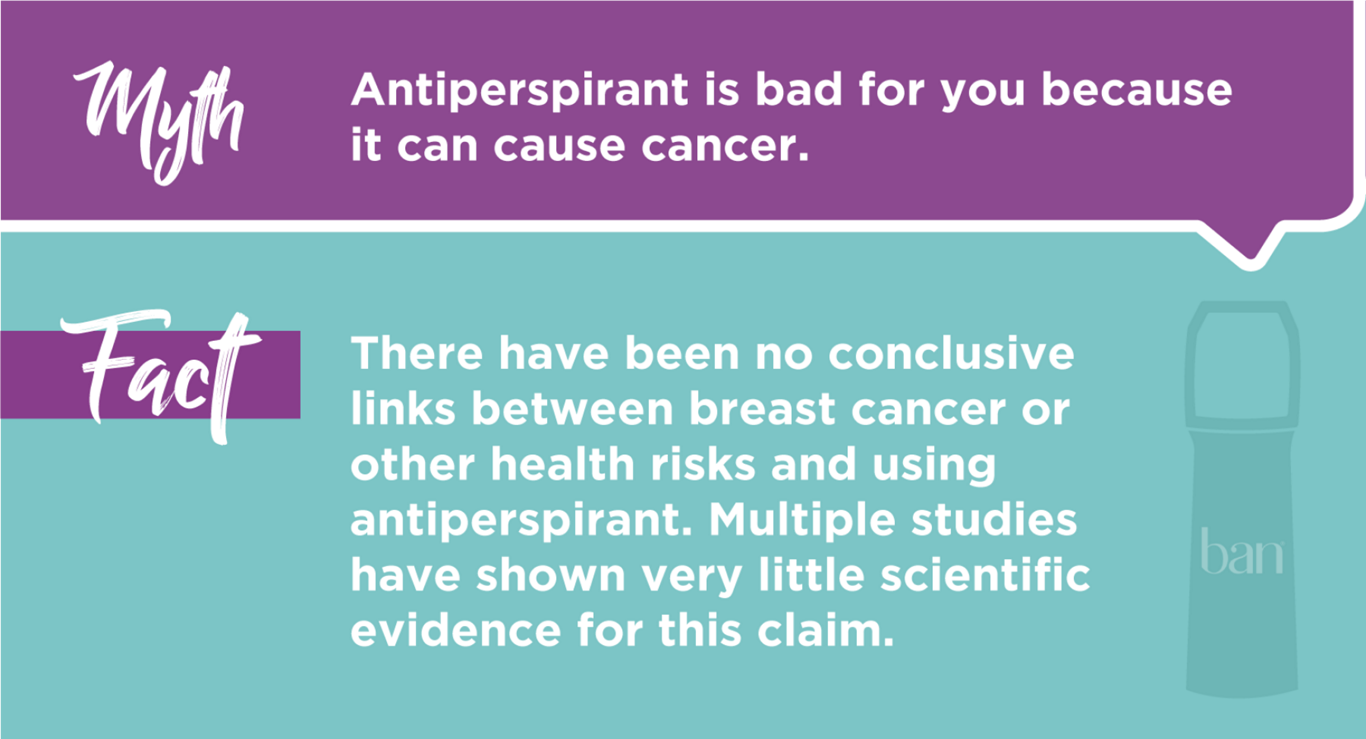
There is a lot of misinformation about antiperspirant safety. The aluminum in antiperspirants has been rumored to be bad for your health, but the evidence does not support this.
Studies have found no conclusive link between antiperspirant use and cancer. A study examining 813 women diagnosed with breast cancer and 793 without it found no connection between antiperspirant use and breast cancer occurrence. It also found no link to deodorant use or underarm shaving.
Antiperspirant is safe to use on the underarms, groin, soles of the feet, and palms. Avoid applying near the eyes, mouth, or genitals. Read the product instructions before use to ensure safe application.
Key Takeaways
Antiperspirant blocks the sweat glands temporarily to prevent sweating and accompanying odor.
Deodorant and antiperspirant both help to eliminate odor, but antiperspirant also stops the sweating at its source.
The aluminum compounds used in antiperspirants keep moisture from seeping out by blocking the ducts.
Antiperspirant use is not limited to the underarms and can also be effective on other areas of the body that produce sweat.
No conclusive evidence has been found to support claims that there is a link between antiperspirant use and cancer or other health risks.
FAQs
What is the active ingredient in antiperspirant and what does it do?
Aluminum compounds such as aluminum chloride or aluminum chlorohydrate are the active ingredients. They dissolve in moisture on the skin and are absorbed into sweat gland ducts, temporarily blocking sweat from reaching the surface.
How long does antiperspirant last before needing reapplication?
Most standard antiperspirants provide protection for 24 hours. Clinical-strength formulas may last up to 48 hours. Reapplication timing depends on sweat level, activity, and the specific product.
Is it better to apply antiperspirant at night or in the morning?
Nighttime application is more effective. Sweat gland activity slows during sleep, allowing the aluminum compounds to absorb more fully into the ducts. A morning application can follow for additional coverage.
Can antiperspirant cause skin irritation?
Some individuals, particularly those with sensitive skin, may experience irritation or redness from antiperspirant. Switching to a fragrance-free, lower-concentration aluminum formula often reduces this. Applying to fully dry skin also helps minimize irritation.
Does antiperspirant stain clothing?
Aluminum compounds can bond with sweat and leave yellow stains on fabric. Allowing antiperspirant to dry fully before dressing and applying only the recommended amount reduces staining.
